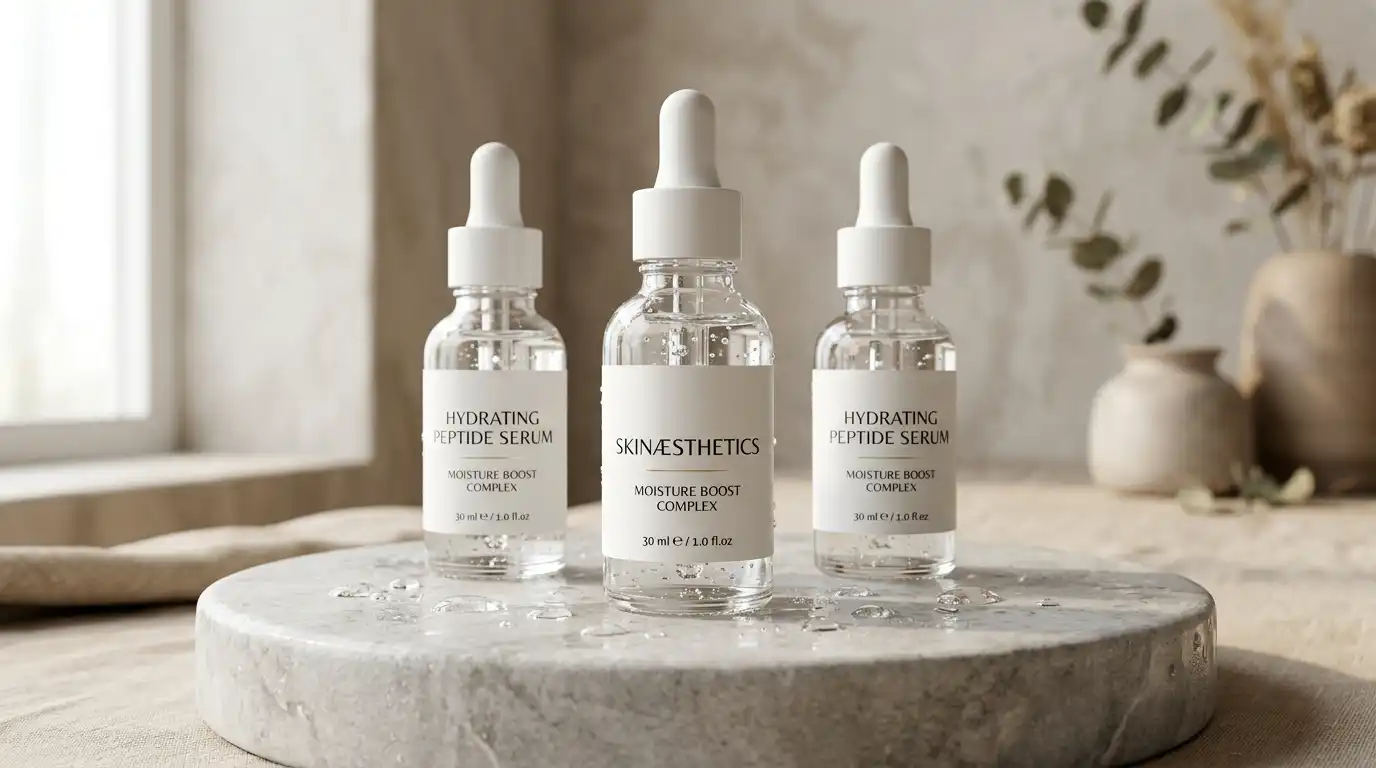
For years, anti-aging skincare was dominated by a high-intensity philosophy: the stronger the active ingredient, the better the results. High-percentage retinoids, aggressive alpha-hydroxy acids (AHAs), and strong chemical peels were treated as essential staples for collagen stimulation. However, constant exposure to harsh actives often leads to a compromised moisture barrier, chronic low-grade inflammation, and persistent redness.
Enter peptide cycling—a modern, strategic approach designed to stimulate collagen retention and cellular repair while preserving the skin’s protective barrier.
1. What is Peptide Cycling?

Peptide cycling is a structured rotation schedule that alternates targeted signal peptides, neurotransmitter-inhibiting peptides, and barrier-repairing amino acid chains with rest or deep-hydration days. Rather than overloading skin cells daily with intense exfoliation or high-potency cell-turnover agents, peptide cycling delivers precise amino acid sequences that instruct skin cells to synthesize new collagen without triggering an inflammatory response.
Skin health relies heavily on balance. Chronic inflammation—often referred to in dermatology as “inflammaging”—actually accelerates the breakdown of collagen and elastin matrices. By cycling your peptide treatments, you allow your skin to process, repair, and rebuild without entering a state of stress.
2. The Science of Peptides vs. Harsh Actives
Peptides are short chains of amino acids that serve as the fundamental building blocks of key structural proteins, including collagen, elastin, and keratin. When applied topically, specific peptide sequences act as molecular messengers, signaling fibroblasts to produce fresh collagen fibers.
Signal Peptides vs. Retinoids
Retinoids work by rapidly accelerating cellular turnover. While highly effective, this process can cause peeling, flaking, and lipid barrier depletion. Signal peptides (such as Palmitoyl Pentapeptide-4 or Copper Tripeptide-1), on the other hand, mimic natural breakdown products of collagen. When applied to the skin, they trick fibroblasts into believing existing collagen has degraded, prompting healthy, fresh synthesis naturally—minus the flaking and redness.
Neurotransmitter Peptides vs. Aggressive Treatments
Known casually as “topical botox alternatives,” neurotransmitter-inhibiting peptides like Acetyl Hexapeptide-8 (Argireline) subtly soften tension in facial muscles responsible for dynamic expression lines. Incorporating these peptides into a structured rotation delivers targeted smoothing benefits without the downtime or irritation associated with heavy chemical exfoliation.
3. Building a 4-Night Peptide Cycling Routine
A standard peptide cycle follows a predictable four-night schedule that balances active signaling with restoration and intense hydration.
- Night 1: Copper & Signal Peptides (Stimulate): Begin your cycle with high-potency signal or copper peptides on clean, dry skin to initiate tissue repair and collagen production.
- Night 2: Exfoliate or Mild Active (Smooth): Use a gentle polyhydroxy acid (PHA) or low-percentage lactic acid serum to sweep away dead skin cells, clearing the pathway for deeper peptide penetration on subsequent nights.
- Night 3: Barrier Recovery & Neurotransmitter Peptides (Restore): Focus on Argireline or multidimensional peptide complex serums combined with ceramide-rich moisturizers to calm the skin matrix.
- Night 4: Pure Hydration & Rest (Replenish): Pause all active treatments. Use hyaluronic acid, squalane, or lipid-replenishing balms to lock in moisture and reinforce barrier integrity.
4. Key Peptide Types for Anti-Aging
When selecting products for your cycling routine, look for formula formulations containing these clinically backed peptide categories:
Copper Peptides (GHK-Cu)
Copper tripeptides are renowned for their regenerative properties. They support skin remodeling, promote wound healing, and encourage collagen and elastin synthesis. Because copper peptides can be deactivated by direct acids or pure Vitamin C (L-ascorbic acid), they are ideal candidates for dedicated single-focus nights in your cycle.
Palmitoyl Tripeptide-1 and Palmitoyl Tetrapeptide-7
Often blended together in complex formulations like Matrixyl 3000, these synthetic peptides work synergistically to restore dermal structural integrity, reduce wrinkle depth, and improve overall elasticity.
5. Expected Results and Long-Term Benefits
Unlike strong prescription retinoids that yield dramatic but often irritated results in 4 to 6 weeks, peptide cycling operates on a sustained, cumulative timeline. Within 8 to 12 weeks of consistent peptide cycling, expect to observe:
- Improved skin firmness and bouncing elasticity around delicate facial contours.
- Noticeable reduction in fine lines without localized flaking or tightness.
- A calm, even skin tone supported by an intact epidermal barrier.
- Enhanced retention of moisture throughout changing weather conditions.
Summary
Peptide cycling proves that effective anti-aging skincare does not require compromising your skin barrier. By rotating targeted signaling formulas with hydration and rest, you cultivate a resilient skin environment capable of producing collagen naturally for years to come.