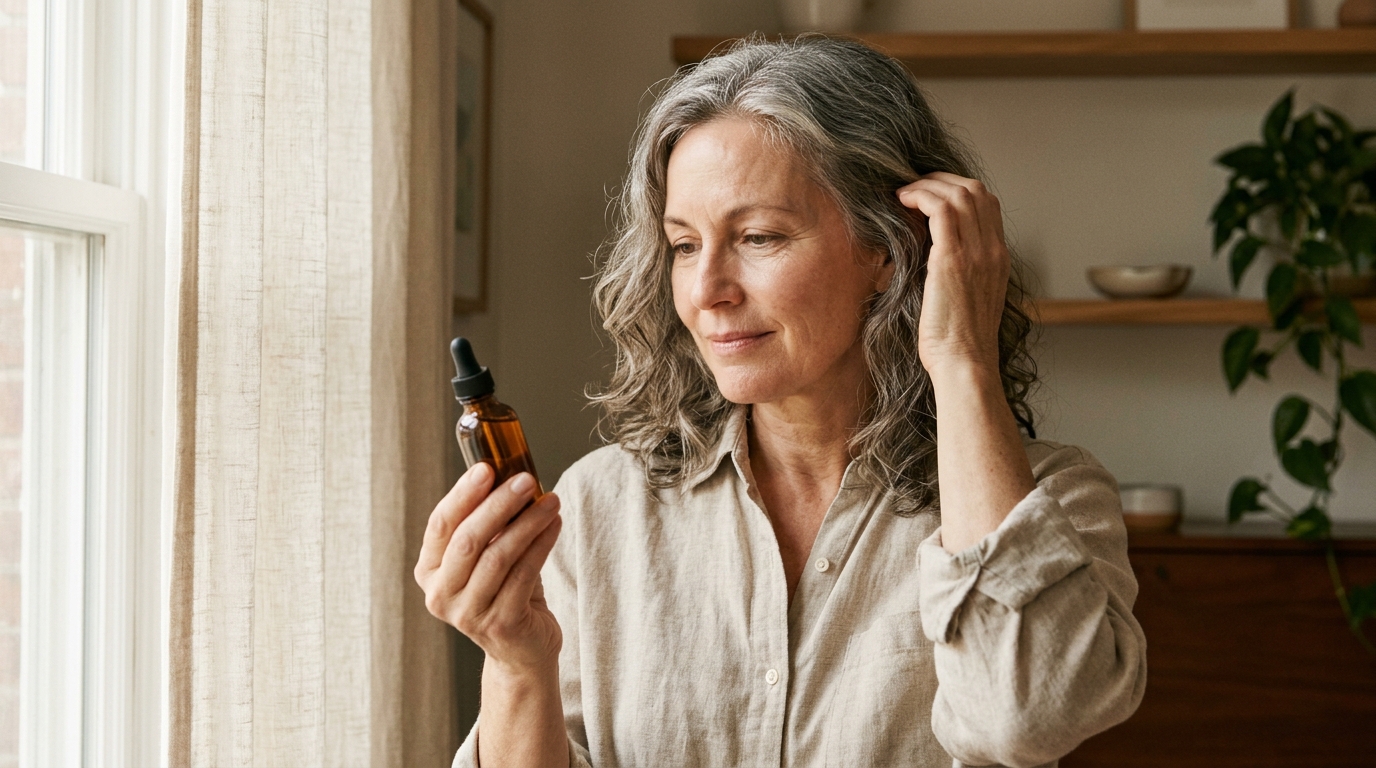
Noticing more hair in your brush, drier skin, or nails that seem to break more easily can feel unsettling, especially when the changes appear during a period of weight loss or a new medication. If you are taking a GLP-1 medicine, you may be wondering whether the two are connected. The honest answer is that several skin, hair, and nail changes have been reported, but the reasons are not always clear.
This guide explains what is known, what remains uncertain, and gentle steps that may help you care for yourself. It is general information, not a diagnosis or a substitute for advice from the clinician who prescribes your medication.
What GLP-1 medicines may mean for skin, hair, and nails

GLP-1 medicines include semaglutide, liraglutide, and tirzepatide. They are prescribed for different health conditions and have different brand names and approved uses. The American Academy of Dermatology reports that patients taking these medicines have described hair thinning, dry skin, brittle or slower-growing nails, loose skin that rubs, acne, sweating, and irritation near an injection site. The same guidance notes that some skin conditions may improve for some patients, so the story is not one-sided.
Do not assume the medicine directly causes every change. Rapid weight loss can affect facial fullness and skin folds, while eating or drinking less may make it harder to meet nutrition or fluid needs. Hair shedding or nail changes may also accompany significant weight loss. Researchers are still separating medication effects from the effects of weight change and reduced intake. A 2025 review of dermatologic effects linked to GLP-1 medicines found limited evidence and no large-scale clinical studies. Reported symptoms deserve attention, but they are not inevitable.
Hair shedding after a period of weight change
Some people experience excessive shedding after a physical stressor such as significant weight loss. One possible explanation is telogen effluvium, a temporary shift in the hair-growth cycle. The American Academy of Dermatology notes that this kind of shedding may become noticeable a few months after a trigger. The timing can make it hard to connect the shedding with a specific event, and not every person taking a GLP-1 medicine will experience it.
Shedding is also different from every other type of hair loss. Gradual thinning, distinct patches, scalp inflammation, or loss that continues may have other causes. A board-certified dermatologist can examine the scalp and hair, ask about timing and health changes, and decide whether testing is appropriate. Read the AAD’s guidance on hair shedding and telogen effluvium and how dermatologists evaluate hair loss.
When to arrange an assessment
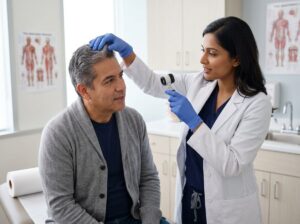
Tell your prescriber if shedding follows a medicine or weight change. Seek prompt advice for sudden or patchy hair loss, scalp pain, or redness. Do not stop or change a prescribed medicine on your own. Ask before taking hair supplements; high doses can be harmful, and supplements may be needed only when a clinician identifies a deficiency.
Build a gentle routine for dry or changing skin
If your skin feels dry or more sensitive, keep the routine simple while you work out what is going on. Wash with a mild cleanser and lukewarm water rather than scrubbing or using several exfoliating products. Apply a fragrance-free moisturizer after bathing, while skin is still slightly damp. The AAD specifically recommends hydrating skin care, whole-body moisturizer, and keeping irritated skin folds clean and dry for people reporting changes while taking GLP-1 medicines.
Protect exposed skin from the sun. Choose a broad-spectrum, water-resistant sunscreen with SPF 30 or higher, and reapply when outdoors as directed. The AAD explains how to apply sunscreen effectively. If a rash, injection-site reaction, acne, or irritation persists, becomes painful, or worsens, contact a clinician instead of layering on stronger products. Retinoids and exfoliating acids can irritate already-dry skin, so ask a dermatologist before adding them to a sensitive routine.
Changes in facial fullness or loose skin can feel personal, but they are not a measure of your worth. If they concern you, discuss options and realistic outcomes with a dermatologist. For related routine advice, see the existing skin longevity article and perimenopause skin guide. This post focuses on questions during GLP-1 treatment and weight change.
Care for nails and areas where skin rubs
Brittle nails or slower nail growth have been reported alongside significant weight loss. A gentle routine can reduce avoidable wear while you monitor the change. Keep nails at a comfortable length, avoid picking or peeling them, and apply moisturizer to your hands and cuticles after washing. Wear protective gloves for wet cleaning tasks if that helps prevent repeated irritation.
Loose skin may rub and become uncomfortable in warm or damp areas. Keep folds clean and dry, choose breathable clothing, and change out of sweaty clothes when practical. Get medical advice for a spreading rash, broken skin, increasing pain, warmth, drainage, or infection signs. Discuss painful, discolored, swollen, or separating nails with a clinician, since nail changes can have unrelated causes.
A practical plan for discussing changes with your care team
Write down what changed and when
Note when treatment began or changed, when weight loss started, and when symptoms appeared. Dated notes or photos may help show the pattern. Also note illnesses, stress, new skin products, and changes in appetite or fluid intake. This information can help your clinician assess possible causes.
Ask before adding supplements or changing treatment
If eating less makes it difficult to maintain a varied diet, tell your prescriber. They can help assess whether nutrition support, testing, or referral is appropriate for your circumstances. Avoid restrictive “beauty diets” and do not assume that a supplement will reverse shedding or restore facial volume. The existing nutrition and skin article offers general context, but nutrition needs during medical treatment should be discussed with a qualified professional.
Most importantly, never reduce or stop a prescribed medicine solely because of a social-media post or beauty article. Ask the prescribing clinician to weigh the benefits, possible side effects, and alternatives for your health. A dermatologist can assess skin, hair, and nail symptoms, while the prescriber can advise on the medicine itself.
The takeaway
GLP-1 beauty aftercare is less about chasing a special product and more about noticing changes early, keeping skin care gentle, and getting individual advice when symptoms persist. Hair shedding, dryness, nail changes, and shifts in facial fullness may occur during treatment or weight loss, but they do not affect everyone and may have different causes. Treat online advice as a starting point for questions, not a reason to self-diagnose or alter treatment. If you are concerned, bring your observations to your prescriber or a board-certified dermatologist.
Medical note: This article is for general education only. It does not diagnose a condition, recommend a specific medicine, or replace personalized care. Beauty Heals You currently describes itself as a historical archive, so this post should not imply that the organization provides active medical services.