

The Gut-Brain-Skin Axis: The Foundation of Your Radiance
For decades, the beauty industry has focused on topical solutions — creams, serums, and lotions designed to address skin concerns from the outside. While these products have their place, a new frontier of wellness science is revealing a deeper truth: true, lasting beauty begins within. At the heart of this revolution is the gut microbiome, a complex ecosystem of trillions of bacteria residing in your digestive tract. This internal garden doesn’t just influence your digestion; it profoundly impacts your mental clarity, emotional balance, and, most visibly, the health and radiance of your skin. This intricate communication network is known as the gut-brain-skin axis, and understanding it is the first step toward unlocking a more holistic and effective approach to beauty.

The connection is surprisingly direct. Your gut is in constant dialogue with your brain and skin through a series of neural, hormonal, and immunological pathways. When your gut microbiome is balanced and thriving, it sends signals that promote calmness, reduce inflammation, and support cellular regeneration. However, when this delicate ecosystem is disrupted — a condition known as dysbiosis — it can trigger a cascade of negative effects. Inflammation in the gut can manifest as skin inflammation, leading to conditions like acne, eczema, and rosacea. Furthermore, an imbalanced gut can affect your mood and stress levels, which in turn can lead to breakouts and a dull complexion. As wellness experts are increasingly emphasizing, nurturing your gut health is not just about digestive wellness; it’s a foundational practice for achieving the kind of radiant beauty that glows from the inside out.
Recognizing the Signs of an Unhappy Gut
How can you tell if your gut microbiome is out of balance? The signs are often subtle and can be easily mistaken for other issues. Persistent skin problems that don’t respond to topical treatments are a major red flag. This can include chronic acne, redness, and inflammatory conditions. Digestive discomfort, such as bloating, gas, or irregular bowel movements, are more direct indicators of gut dysbiosis. However, the signals can also be mental and emotional. Brain fog, persistent fatigue, and mood swings can all be linked to an imbalanced gut microbiome. Because the gut produces a significant portion of the body’s serotonin — a key neurotransmitter for mood regulation — an unhealthy gut can directly impact your sense of well-being.
It’s important to listen to these signals and recognize them not as isolated symptoms, but as messages from your body. In a world that often encourages us to find a quick fix for every ailment, taking the time to understand the root cause of our concerns is a radical act of self-care. By paying attention to the clues your body is giving you, you can begin to address the underlying imbalances and start the journey toward healing your gut and, in turn, transforming your skin and overall wellness. This approach aligns perfectly with a philosophy of holistic healing, recognizing that every part of our body is interconnected and that true wellness requires a comprehensive, whole-body approach.
Nourishing Your Microbiome for a Radiant Glow

The good news is that you have the power to positively influence your gut microbiome through your daily choices. The journey to a healthier gut and more radiant skin is not about restrictive diets or extreme protocols; it’s about incorporating a variety of nutrient-dense, microbiome-supporting foods into your life. This is where the concept of “fibermaxxing,” as mentioned by experts like Dr. Zulia Frost, comes into play. Fiber is the primary food source for your beneficial gut bacteria, and a diet rich in fiber is essential for a thriving microbiome.
Incorporate Probiotic-Rich Foods
Probiotics are live, beneficial bacteria that can help to repopulate your gut with healthy microbes. Fermented foods are an excellent natural source of probiotics. Consider adding foods like kimchi, sauerkraut, kombucha, kefir, and yogurt with live active cultures to your daily routine. These foods not only provide a dose of beneficial bacteria but also contain a variety of vitamins and enzymes that support overall health. When choosing a yogurt, be sure to select a plain, unsweetened variety to avoid feeding the less desirable sugar-loving bacteria in your gut.
Feed Your Gut with Prebiotic Fiber
Prebiotics are a type of fiber that your body cannot digest but that your gut bacteria love to eat. By providing the fuel for your beneficial bacteria to thrive, prebiotics are just as important as probiotics. Excellent sources of prebiotic fiber include garlic, onions, leeks, asparagus, bananas, and whole grains like oats and barley. A diet rich in a diverse range of plant-based foods is the best way to ensure you’re getting a wide variety of prebiotic fibers to support a diverse and resilient microbiome. Think of it as creating a lush and varied garden for your internal ecosystem to flourish.
Embrace a Whole-Foods, Plant-Forward Diet
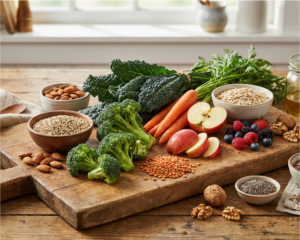
Beyond probiotics and prebiotics, a diet centered around whole, unprocessed foods is key to gut health. Colorful fruits and vegetables are packed with antioxidants and polyphenols, which have been shown to support a healthy gut microbiome and reduce inflammation. Healthy fats from sources like avocados, nuts, and olive oil also play a crucial role in gut health and skin radiance. As you focus on adding more of these nourishing foods, you’ll naturally crowd out the processed foods, sugary drinks, and artificial ingredients that can contribute to gut dysbiosis. This approach is not about deprivation, but about abundance — filling your plate with the vibrant, life-giving foods that your body and your microbiome will thank you for.
Beyond Diet: A Holistic Approach to Gut Wellness
While nutrition is the cornerstone of gut health, a truly holistic approach encompasses your entire lifestyle. Chronic stress is one of the biggest culprits when it comes to disrupting the gut microbiome. When you’re stressed, your body releases cortisol, a hormone that can increase gut permeability (often referred to as “leaky gut” ) and alter the composition of your gut bacteria. This is why practices that support nervous system regulation are so crucial for both mental and physical wellness. Incorporating mindfulness, meditation, and deep breathing exercises into your daily routine can have a profound impact on your gut health and, consequently, your skin.
Quality sleep is another non-negotiable for a healthy gut. During sleep, your body undergoes a process of repair and regeneration, and this includes your gut. A lack of quality sleep has been linked to a decrease in microbial diversity. Aim for 7-9 hours of restorative sleep per night to give your body the time it needs to heal and maintain a balanced microbiome. Finally, regular, moderate exercise has been shown to have a positive effect on gut health. Movement helps to stimulate digestion and can increase the diversity of your gut bacteria. The key is to find a form of movement that you enjoy and that feels good for your body, whether it’s a brisk walk in nature, a gentle yoga class, or dancing in your living room. By taking a comprehensive, 360-degree view of your wellness, you can create a lifestyle that supports a healthy gut, a calm mind, and a radiant, beautiful you. For a deeper dive into how your inner state affects your outer beauty, explore our article on how self-care can heal your mind.